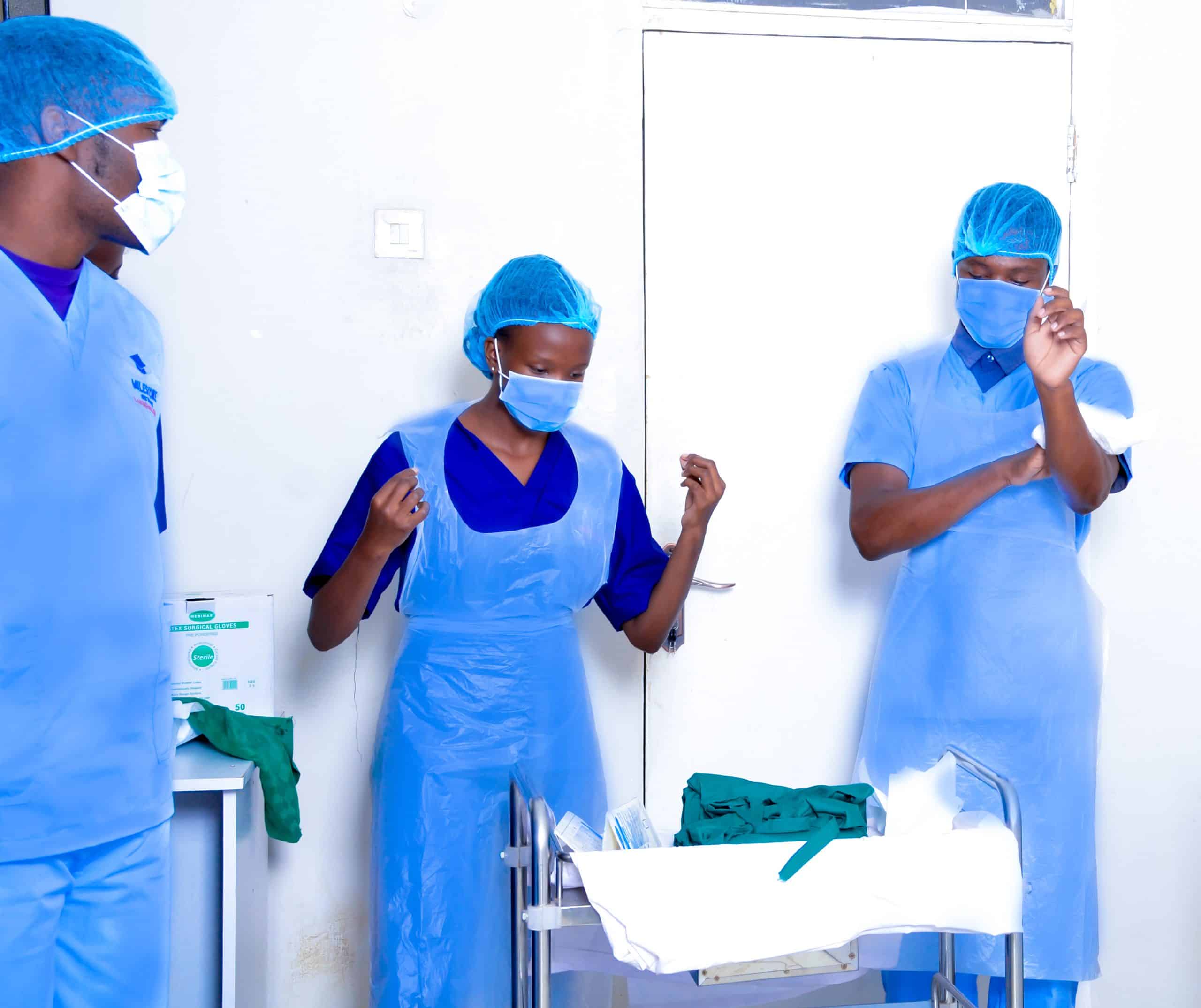
Phlebotomy: The Art and Science of Blood Collection
Phlebotomy is one of the most vital procedures in healthcare. It involves drawing blood from patients for laboratory testing, transfusions, or donations. While it may seem simple, phlebotomy requires precision, knowledge, and compassion — a perfect blend of science and patient care.
Taking up this course requires you to be taught by qualified tutors and in a well recognized institution like Milestone Institute Of Professional that has been approved by the Ministry of Education as a TVET center offering TVET CDACC examinations.
Visit our website for more information
What Does a Phlebotomist Do?
A phlebotomist is a trained healthcare practitioner responsible for collecting specimen, blood samples safely and accurately. Their role is crucial in diagnosing diseases, monitoring treatment progress, and ensuring that laboratory results are reliable.
Daily duties may include:
- Identifying and preparing patients for blood collection
- Selecting appropriate collection equipment
- Performing venipuncture and capillary puncture
- Labeling and transporting specimens correctly
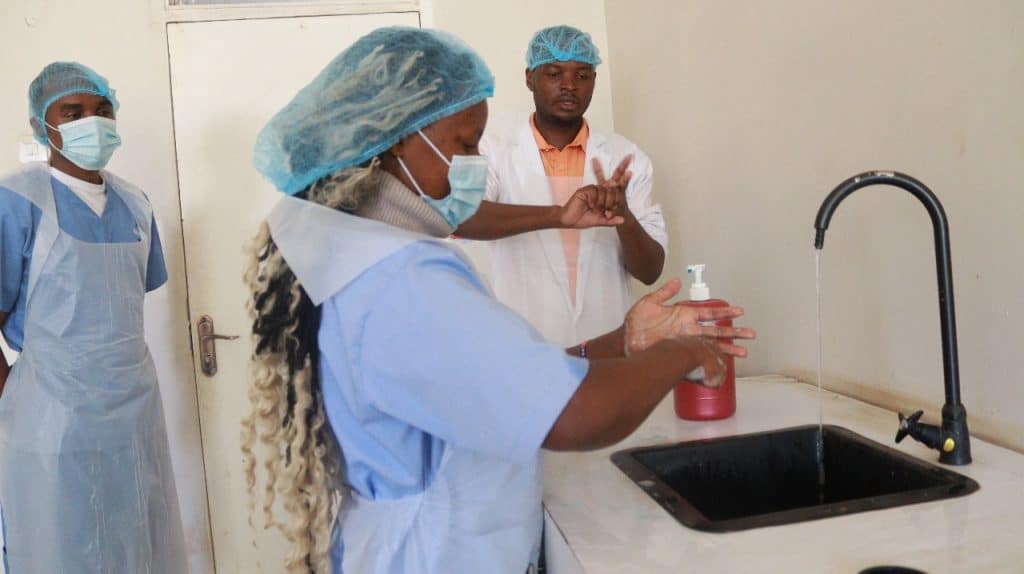
- Maintaining hygiene, safety, and professionalism
Why Phlebotomy Matters
Phlebotomy forms the foundation of laboratory medicine. Nearly every diagnosis or medical decision depends on blood tests. A single mistake in collection can lead to incorrect results — that’s why skilled phlebotomists are highly valued in every healthcare facility.
Beyond technical skill, phlebotomists must also be compassionate communicators. Many patients fear needles or blood, so a calm and confident phlebotomist can turn anxiety into reassurance.
Key Units in Phlebotomy Training
A complete phlebotomy course covers both theory and hands-on practice. Major topics include:
- Introduction to Phlebotomy
- Anatomy and Physiology of the Circulatory System
- Medical Terminology
- Infection Control and Safety
- Venipuncture and Capillary Techniques
- Specimen Collection and Handling
- Professional Ethics and Patient Care
- Clinical Practicals and Internship
Career Opportunities
After completing phlebotomy training, graduates can work in:
- Hospitals and health centers
- Diagnostic and research laboratories
- Blood donation centers
- Public health and outreach programs
With experience, phlebotomists can advance into laboratory technology, nursing, or medical research careers. Work abroad as care givers.
Conclusion
Phlebotomy may be a small part of the healthcare process, but it has a big impact on patient outcomes. Behind every accurate lab report is a skilled phlebotomist who ensured that the blood sample was drawn correctly, handled safely, and processed on time.
Choosing a career in phlebotomy means choosing a path of precision, patience, and purpose. 💪
To learn how to be an effective qualified Phlebotomist, kindly visit Milestone Institute of Professional Studies campuses in Nairobi, Thika, Eldoret or Nakuru. You can as well register directly here